Klex Plus: Bold, Handwritten & Eye-Catching
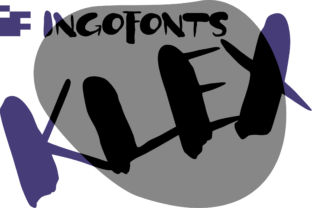
Klex Plus isn’t just another font—it’s a tactile statement. Thick, confident strokes meet intentional roughness: uneven edges, subtle texture, and a hand-drawn energy that feels human, not algorithmic. It’s designed to stand out without shouting—commanding attention through presence, not volume. Whether you’re layering it over a photo, setting a headline for a workshop flyer, or branding a small-batch product, Klex Plus adds weight and warmth in equal measure.
Why “Rough” Isn’t a Flaw—It’s the Point
The slight irregularity in Klex Plus isn’t accidental—it’s calibrated. Letters vary subtly in stroke width and terminal angle, mimicking how ink behaves on paper or chalk on a board. That imperfection builds authenticity. For viewers, it signals effort, personality, and intention—not generic polish. That’s why it works where sleek sans-serifs fall flat: on handmade packaging, community event posters, educator newsletters, or personal blogs where voice matters more than uniformity.
What Different People Notice First
How someone experiences Klex Plus often says more about their role—and their immediate need—than about the font itself.
Beginners & Hobbyists: Simplicity With Impact
If you’ve ever opened Canva or Figma and felt overwhelmed by options, Klex Plus stands out for its instant readability and zero learning curve. You type, and suddenly your social post or DIY invitation feels *designed*. No kerning adjustments needed. No pairing anxiety. Just bold, legible, expressive text—right out of the gate. A pottery teacher printing class schedules? A gardener labeling seed packets? They don’t need 20 weights—they need one strong voice that feels like them.
Freelancers & Small Business Owners: Branding That Scales Quietly
For someone juggling client work, website updates, and Instagram stories, consistency is currency. Klex Plus delivers recognizability across formats: crisp on a business card, warm on a printed menu, dynamic in an animated story highlight. Its thickness ensures legibility even at small sizes on mobile—no pixelated edges. And because it’s not overused, it helps small studios, bakeries, or indie bookshops avoid blending into the background. One font, multiple touchpoints—without licensing headaches or design debt.
Educators & Nonprofits: Clarity With Character
In classrooms or community outreach, text must be both inviting and clear. Klex Plus strikes that balance: its generous x-height and open counters improve readability for younger readers or those with visual processing preferences—while its handwritten rhythm makes announcements feel approachable, not institutional. Think of a literacy program’s reading challenge poster or a museum’s family workshop banner: friendly enough to draw kids in, sturdy enough to hold up under repeated photocopying or outdoor display.
Designers & Marketers: Flexibility Without Compromise
Professionals often evaluate fonts by how well they adapt—not just visually, but functionally. Klex Plus holds up in layered compositions (like textured backgrounds or busy photography), performs reliably across browsers and email clients, and pairs naturally with clean, neutral fonts—no forced contrast required. A marketing lead building a campaign around “real talk”? Klex Plus on hero banners grounds the message. A designer crafting a brand system for a sustainable apparel line? Its organic texture reinforces values without cliché.
What Matters Most—And When
Not every priority applies to every user. Here’s how real-world needs shape what people look for in Klex Plus:
- Ease of use: Critical for beginners, educators, or anyone updating assets solo. Klex Plus installs and works like any standard font—no plugins, no webfont setup delays.
- Commercial reliability: Small business owners check licensing clarity first. Klex Plus includes broad usage rights—digital, print, merchandise—so a café owner can use it on mugs, menus, and Instagram without second-guessing.
- Creative fit: For illustrators or lettering artists, it’s about whether the font complements their style—not replaces it. Many use Klex Plus as a base, then add custom flourishes or color overlays to deepen uniqueness.
- Long-term value: Publishers and course creators consider longevity. Because Klex Plus avoids trend-driven extremes (no excessive distortion or gimmicks), it ages gracefully—still feeling current three years later, not dated.
Real Projects, Real Decisions
A freelance photographer added Klex Plus to her portfolio site’s section headers. Before, clients said her work felt “beautiful but hard to connect with.” After? Her About page now opens with “Stories, Not Shots”—set in Klex Plus over a soft-focus portrait. The shift wasn’t about prettier text—it was about signaling intentionality before the first image loads.
A homeschooling parent used it to design weekly learning trackers for her two kids. She chose Klex Plus over playful cartoon fonts because it felt “serious enough for school, warm enough for home.” The slight texture helped the printouts feel special—not disposable.
A local bookstore applied it to window decals announcing author events. Their previous sans-serif font got lost against brick and rain-streaked glass. Klex Plus stayed visible from across the sidewalk—even in gray light—because its boldness and contrast cut through visual noise.
Does Klex Plus Fit Your Next Step?
Ask yourself:
- Do you need text that feels human first, not perfectly aligned?
- Is your goal to guide attention—not disappear into the background?
- Are you balancing speed (get it done today) with distinction (make it memorable)?
- Does your project benefit from warmth without sacrificing clarity?
If yes to any of those, Klex Plus likely earns a spot in your toolkit—not as a novelty, but as a reliable voice. It won’t solve layout problems or replace thoughtful content. But when the right words meet the right weight, texture, and honesty, something shifts: your message lands differently. Not louder—but clearer. Not trendier—but truer.
That’s the quiet strength of Klex Plus: it doesn’t ask you to change your idea. It helps your idea be seen—and felt—as it was meant to be.