Rottordam Font: A Light, Handwritten Typeface That Brings Authentic Charm to Modern Design
Imagine a font that feels like a friendly note scribbled on a café napkin—warm, effortless, and full of personality—yet clean enough for a sleek brand identity or a polished presentation. That’s the essence of Rottordam: a beautiful, light handwritten font with a distinctly modern feel. Designed to bridge the gap between human touch and digital precision, Rottordam doesn’t just look handwritten—it feels intentional, authentic, and refreshingly contemporary.
What Is Rottordam—and Why Does It Stand Out?
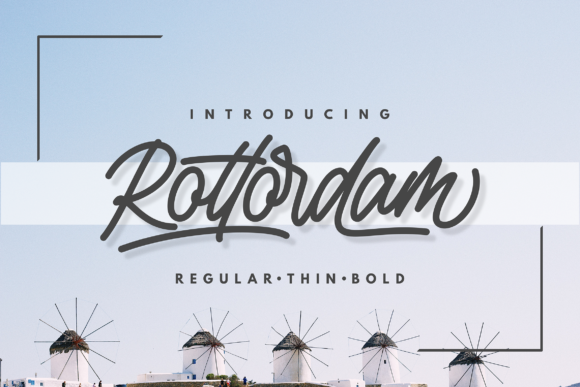
Rottordam is a carefully crafted sans-serif handwritten typeface. Unlike overly ornate script fonts or rigid geometric sans-serifs, Rottordam strikes a graceful balance: its letterforms are fluid and slightly irregular—mirroring natural pen strokes—but refined with consistent spacing, open counters, and subtle contrast in stroke weight. This gives it readability at small sizes and visual impact at large ones.
Its “light” weight is central to its character—not just in terms of typographic weight (it’s available in Light and Regular variants), but in its visual tone. There’s airiness in its curves, gentleness in its terminals, and confidence in its rhythm. That lightness makes Rottordam exceptionally versatile: it avoids looking childish or overly casual while still conveying approachability and creativity.
The Purpose Behind the Pen: Why Designers Choose Rottordam
At its core, Rottordam serves a powerful design purpose: humanizing digital experiences. In an era saturated with AI-generated content, algorithmic interfaces, and ultra-polished corporate visuals, audiences increasingly crave authenticity. Rottordam answers that need—not by mimicking imperfection, but by embedding warmth into structure.
Here’s how it fulfills real-world needs:
- Brand Identity: Startups, boutique studios, wellness brands, and artisanal businesses use Rottordam for logos and wordmarks to signal sincerity, craftsmanship, and individuality—without sacrificing professionalism.
- Digital Interfaces: When used sparingly (e.g., hero headlines, call-to-action buttons, or microcopy), Rottordam adds emotional resonance to websites and apps—making users feel seen, not scanned.
- Print & Packaging: From greeting cards and wedding stationery to eco-friendly product labels, its organic flow complements tactile materials and minimalist layouts.
- Educational & Creative Tools: Teachers, illustrators, and content creators integrate Rottordam into worksheets, social media graphics, and digital notebooks to foster engagement and reduce visual fatigue.
How Rottordam Fits Into Today’s Creative Landscape
Rottordam didn’t emerge in isolation—it reflects broader shifts in design philosophy and digital culture. Consider these trends:
- The Rise of “Quiet Luxury” in Typography: Just as fashion embraces understated elegance over loud logos, designers now favor fonts that communicate value through subtlety—not size, sparkle, or excess. Rottordam’s restrained charm fits seamlessly here.
- Accessibility-Aware Creativity: While highly stylized scripts often fail accessibility guidelines, Rottordam maintains strong legibility—even at 14px—thanks to generous x-heights, clear letter differentiation (e.g., a vs. o, l vs. 1), and ample spacing. It proves personality and inclusivity aren’t mutually exclusive.
- Hybrid Work & Personal Branding: With more people freelancing, launching side projects, or building personal brands online, Rottordam offers a go-to voice: professional enough for LinkedIn headers, expressive enough for Instagram story highlights.
Real-World Examples: Where Rottordam Shines
Let’s bring this to life with concrete examples:
- A plant-based meal kit service uses Rottordam for its tagline (“Fresh. Simple. Yours.”) on packaging—evoking care, craft, and calm—while pairing it with a neutral sans-serif (like Inter or Manrope) for nutritional facts.
- An independent language tutor features Rottordam in email subject lines and course PDF headers, making learning feel personal and low-pressure—boosting open rates and student retention.
- A university design department adopts Rottordam for exhibition signage and student portfolio websites, reinforcing values of experimentation and human-centered thinking without resorting to clichéd “art school” fonts.
Common Misconceptions About Handwritten Fonts—And Why Rottordam Breaks the Mold
Many assume handwritten fonts are either:
- Too informal for serious work — Not true. Rottordam’s even rhythm and typographic discipline make it suitable for annual reports, pitch decks, and editorial features—especially when used strategically (e.g., headings only, with body text in a highly legible serif).
- Hard to pair with other fonts — On the contrary, Rottordam pairs beautifully with both geometric sans-serifs (for contrast and clarity) and warm serifs (for harmony and depth). Its lightness creates breathing room, not visual competition.
- Only for “creative” industries — Think again. Legal tech startups, sustainable finance platforms, and even healthcare innovators use Rottordam to soften complex messaging—building trust through tone, not just content.
Getting Started With Rottordam: Practical Tips for Beginners & Pros
Whether you’re new to typography or refining your design system, here’s how to use Rottordam effectively:
- Start small: Try it for one impactful element—like a website headline, podcast episode title, or Instagram bio—before expanding usage.
- Respect hierarchy: Use Rottordam for primary emphasis (e.g., H1, quotes, CTAs); switch to a highly legible, neutral font for paragraphs, captions, and data.
- Test across devices: Preview how Rottordam renders on mobile screens and low-resolution displays. Its light weight shines on retina displays but may need slight sizing adjustments elsewhere.
- Leverage OpenType features: If your design tool supports it, enable stylistic alternates or ligatures for nuanced flair—especially useful in logos or short phrases.
- Consider licensing: Rottordam is typically available for personal and commercial use via reputable foundries or marketplaces. Always verify license scope—especially for SaaS products or embedded apps.
Why Rottordam Matters Beyond Aesthetics
In a world where attention is scarce and trust is earned slowly, typography plays a quiet but critical role in shaping perception. Rottordam matters because it reminds us that how something is said affects whether it’s heard at all. Its lightness isn’t about being insubstantial—it’s about removing barriers. Its handwritten quality isn’t about nostalgia—it’s about signaling presence, care, and intention.
For educators, it invites curiosity without intimidation. For entrepreneurs, it conveys vision without pretense. For developers and marketers, it humanizes code and campaigns alike. And for everyday creators—whether designing a birthday card or prototyping a new app—it offers a simple, joyful way to say, “This was made with thought—and for you.”
Final Thought: Choose Type With Intention
Fonts are never neutral. Every curve, every space, every weight carries meaning—even if we don’t consciously register it. Rottordam stands out not because it shouts, but because it listens: to cultural shifts, to audience needs, and to the enduring desire for connection in digital spaces. It’s proof that lightness, when grounded in craft, can carry remarkable weight.
If you’re looking for a font that balances authenticity with polish, warmth with clarity, and personality with professionalism—Rottordam isn’t just an option. It’s an invitation—to design with empathy, communicate with grace, and create with quiet confidence.