Katrine Font: A Bold, Handwritten Typeface with Timeless Elegance
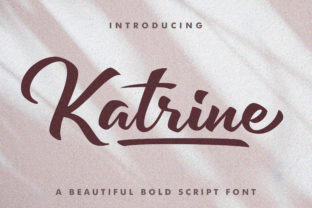
Typography is more than just letters on a page—it’s voice, mood, and identity made visible. Among the thousands of fonts available today, Katrine stands out not for its technical precision, but for its expressive humanity. Katrine is a bold, unique handwritten font with a lovely twist—fluid yet confident, casual yet refined. Whether you’re designing a wedding invitation, launching a boutique brand, or adding warmth to a digital newsletter, Katrine invites connection through authenticity.
What Is Katrine—and Why Does It Feel So Distinctive?
Katrine is a modern handwritten typeface crafted to balance spontaneity and sophistication. Unlike script fonts that lean heavily into ornate flourishes or rigid calligraphy rules, Katrine embraces natural imperfection: subtle variations in stroke weight, gentle swashes, and organic spacing that mimic real pen-on-paper movement. Its “lovely twist” lies in how it merges contemporary minimalism with artisanal charm—think ink-dipped nib meets clean digital rendering.
Designed for versatility, Katrine includes both uppercase and lowercase characters, standard punctuation, numerals, and extended Latin language support. Many versions also offer alternate glyphs and ligatures, allowing designers to fine-tune rhythm and personality within a single line of text.
The Purpose Behind the Pen: Why Handwritten Fonts Like Katrine Matter
In an age dominated by sleek sans-serifs and algorithmically optimized UI fonts, handwritten typefaces serve a vital emotional function. They signal approachability, creativity, and individuality. Katrine doesn’t shout—it leans in. That makes it especially powerful for contexts where trust and warmth are essential:
- Branding for small businesses—a local bakery, handmade jewelry shop, or wellness studio uses Katrine to reflect care, craft, and human touch.
- Personal communications—e-invites, thank-you notes, or digital greeting cards gain sincerity when set in Katrine rather than generic system fonts.
- Educational and creative projects—teachers use it in classroom posters to spark joy; illustrators layer it over hand-drawn scenes to unify visual tone.
- Digital storytelling—blog headers, podcast cover art, or Instagram quote graphics feel more intimate and memorable with Katrine’s expressive presence.
Dispelling Common Misconceptions About Handwritten Fonts
Many assume handwritten fonts like Katrine are only suitable for “cute” or “feminine” aesthetics—or worse, that they lack professionalism. Neither is true. Context and execution determine perception—not the font itself. When paired thoughtfully (e.g., Katrine headlines with a crisp, neutral sans-serif body text), it conveys confidence without coldness. Likewise, using Katrine at large sizes for signage or branding ensures legibility and impact—its bold weight and open letterforms hold up beautifully across mediums.
Another myth: “Handwritten fonts are hard to read.” While some overly decorative scripts sacrifice clarity, Katrine was designed with readability in mind. Its generous x-height, clear letter distinctions (like the difference between l, I, and 1), and consistent baseline alignment make it highly functional—even at smaller sizes in print or on screen.
Katrine in Action: Real-World Applications
Let’s look at how Katrine translates from concept to concrete use:
Wedding Stationery That Tells a Story
A couple choosing Katrine for their save-the-dates isn’t just picking a pretty font—they’re signaling intentionality. The slight tilt of the ‘a’, the soft curve of the ‘g’, the way the ‘y’ descends with quiet grace—all echo the personal, one-of-a-kind nature of their relationship. When printed on textured cotton paper, Katrine feels like a promise written by hand.
Small Business Branding With Soul
Imagine “The Daily Grind,” a neighborhood coffee roaster. Their logo in Katrine—paired with warm earth tones and hand-drawn icons—immediately communicates craft, community, and care. It differentiates them from chain cafés using sterile corporate fonts. Customers don’t just buy coffee; they buy into a feeling—and Katrine helps anchor that feeling visually.
Educational Materials That Engage Young Learners
Teachers creating printable worksheets or classroom banners often default to playful but generic fonts. Katrine offers a more mature alternative: friendly enough for elementary students, elegant enough for middle school projects. Its natural flow supports early literacy development by modeling realistic handwriting rhythms—without the inconsistencies of actual student writing.
How Katrine Fits Into Today’s Creative and Digital Landscape
Technology hasn’t diminished the value of handwriting—it’s amplified it. With rising interest in analog practices (journaling, letter-writing, sketchnoting) and digital tools that simulate tactile experience (Apple Pencil, Procreate, Adobe Fresco), fonts like Katrine bridge physical and virtual worlds. Designers embed Katrine in interactive websites where hover effects animate its swashes; developers use variable font versions to adjust weight and slant dynamically; marketers deploy it in email campaigns to stand out in crowded inboxes.
Moreover, accessibility considerations are increasingly central to font selection. Katrine’s strong contrast, unambiguous shapes, and ample spacing align well with WCAG guidelines—especially when used at appropriate sizes and against high-contrast backgrounds. While not a system font built for UI interfaces, its thoughtful design supports inclusive communication when applied intentionally.
Choosing and Using Katrine Thoughtfully
Like any expressive tool, Katrine shines brightest when used with purpose—not decoration. Here’s how to get the most from it:
- Limit usage to emphasis: Use Katrine for headlines, quotes, logos, or short callouts—not long paragraphs. Let it breathe.
- Pair wisely: Contrast Katrine’s warmth with structured, neutral fonts like Inter, Montserrat, or IBM Plex Sans. Avoid competing scripts or overly decorative companions.
- Respect hierarchy: If your headline is in Katrine, ensure subheads and body copy create clear visual distinction—size, weight, and color all play roles.
- Test across devices: Preview how Katrine renders on mobile screens, e-readers, and printed materials. Some versions include web-optimized variants—choose accordingly.
- Licensing matters: Katrine is typically available via reputable foundries or marketplaces like Creative Market or MyFonts. Always verify licensing terms—commercial use, web embedding, and app integration rights vary.
Why Katrine Endures: Beyond Trendiness
Trends come and go—thin serifs, brutalist sans-serifs, retro pixel fonts—but handwritten typefaces rooted in genuine craftsmanship endure. Katrine’s timelessness comes from its grounding in human behavior: our instinct to connect, to personalize, to express ourselves beyond utility. It doesn’t chase novelty; it deepens meaning.
In a world saturated with AI-generated content and templated designs, choosing Katrine is a quiet act of resistance—a reminder that the most compelling communication still begins with the hand, guided by heart and honed by practice.
Final Thoughts: Finding Your Voice Through Type
Typography isn’t neutral. Every font carries cultural associations, emotional resonance, and functional implications. Katrine invites us to slow down—to consider not just what we say, but how it feels to receive it. Whether you're a seasoned designer refining a brand identity or a parent crafting a birthday banner for the first time, Katrine offers elegance without pretense, boldness without aggression, and uniqueness without obscurity.
Fall in love with its timeless elegance—not because it’s perfect, but because it’s alive. And in doing so, you’ll discover how the right font can do more than decorate words. It can carry intention. Convey care. And quietly, powerfully, say: This matters.