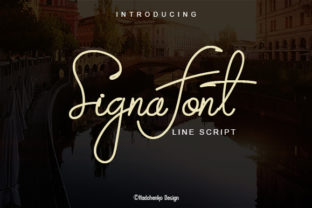
Signa: A Handwritten Font with Sophisticated Charm
Signa is a light and charming handwritten font that brings a unique aesthetic to any creative project. Designed with elegance in mind, it strikes a balance between modern minimalism and traditional script elements. This font is not just visually appealing; it also serves functional purposes across various design contexts. Whether you're crafting branding materials, designing digital content, or creating print media, Signa offers a versatile solution that can elevate your work with its refined character.
Understanding the Design of Signa
At first glance, Signa appears to be a simple handwritten font, but its design is carefully crafted to ensure readability and visual harmony. The letterforms are fluid yet structured, allowing for both casual and formal use. Its light weight makes it ideal for backgrounds or subtle text overlays, while its charm adds a personal touch to more prominent applications.
One of the standout features of Signa is its consistent stroke width, which contributes to its clean and elegant appearance. Unlike some handwritten fonts that can feel cluttered or overly stylized, Signa maintains a sense of order and clarity. This makes it particularly well-suited for projects where legibility is as important as aesthetics.
Key Characteristics and Practical Value
- Lightweight and Minimalist: Signa’s light weight ensures it doesn’t overpower other design elements, making it a great choice for backgrounds, headers, or accents.
- Handwritten Feel: The font retains the organic, handwritten quality that many designers seek, offering a sense of authenticity and warmth.
- High Readability: Despite its artistic nature, Signa remains highly readable, even at smaller sizes, which is crucial for digital and print applications alike.
- Consistency in Style: The uniformity of its design allows for seamless integration into various layouts without disrupting the overall composition.
The practical value of Signa lies in its ability to adapt to different design scenarios. It works well with both minimalist and more intricate designs, depending on how it's applied. Its versatility means it can be used in a wide range of industries, from marketing and publishing to education and personal branding.
Real-World Use Cases
Professionals in creative fields often require fonts that can convey both style and functionality. Signa fits this need perfectly. For instance, a small business owner might use it for signage or packaging to create a memorable brand identity. Similarly, educators could incorporate it into lesson plans or presentations to make content more engaging and visually appealing.
Marketers and content creators may find Signa useful for social media graphics, email newsletters, or website headers. Its charm and sophistication can help differentiate a brand in a crowded market. However, it’s important to consider the context in which the font is used. While it excels in certain applications, it may not be the best choice for large blocks of text or technical documentation where clarity is paramount.
Who Benefits Most from Signa?
Signa is particularly well-suited for individuals and businesses looking to add a touch of personality and refinement to their visual communication. This includes:
- Freelancers and independent designers who want to stand out with unique typography choices.
- Entrepreneurs building brand identities that reflect creativity and sophistication.
- Bloggers and content creators aiming to enhance the visual appeal of their online presence.
- Small business owners seeking to craft a cohesive and memorable brand image.
- Educators and publishers looking to engage audiences through visually compelling materials.
While Signa is not a one-size-fits-all solution, it can be an excellent addition to a designer’s toolkit when used appropriately. Its strength lies in its ability to complement rather than overshadow the content it supports.
Considerations and Limitations
No font is perfect, and Signa is no exception. One potential limitation is its limited availability in certain language scripts, which may restrict its use in multilingual projects. Additionally, while its handwritten style is a major asset, it may not be suitable for all types of content, especially those requiring a more formal or technical tone.
Another consideration is the font’s performance at very small sizes. Although it maintains readability at most sizes, extreme scaling can lead to decreased legibility. As with any design element, it’s essential to test Signa in its intended application to ensure it meets your specific needs.
Recommendations for Effective Use
To maximize the effectiveness of Signa, consider the following recommendations:
- Use it strategically: Apply Signa to accent elements such as headings, callouts, or signatures rather than entire paragraphs or body text.
- Pair with complementary fonts: Combine Signa with a sans-serif or serif font for contrast and balance, ensuring a harmonious typographic composition.
- Test in different formats: Preview Signa in both digital and print environments to assess its performance across platforms and mediums.
- Consider accessibility: Ensure that the font’s style does not compromise readability for users with visual impairments or those relying on screen readers.
By using Signa thoughtfully, you can harness its strengths while avoiding its limitations, resulting in a more effective and visually appealing design outcome.
Conclusion
Signa is a font that bridges the gap between artistry and functionality. Its light, charming design offers a sophisticated touch to a variety of creative projects, making it a valuable asset for designers, marketers, and entrepreneurs. While it may not be the best fit for every scenario, its versatility and elegance make it a compelling choice when used appropriately. Whether you're looking to enhance your brand’s visual identity or add a personal flair to your content, Signa has the potential to elevate your work in meaningful ways.