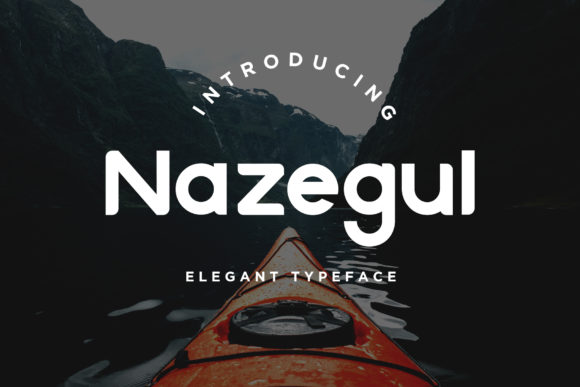
Nazegul: A Font That Speaks Volumes
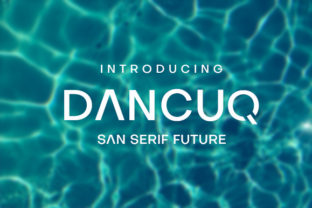
Nazegul is more than just a font—it’s a design choice that carries weight, elegance, and a subtle sophistication. With its smart and simple sans serif structure, it offers a luxurious feel without the complexity of more ornate typefaces. This makes Nazegul an excellent option for those who want to make a statement with their typography while keeping things clean and approachable.
Where Does Nazegul Shine?
When you're looking for a font that can adapt to a variety of contexts, Nazegul is a strong contender. Its minimalist style allows it to work across different mediums and industries. Let’s explore some real-world situations where this font might be particularly useful.
Branding and Identity
In branding, first impressions matter. Nazegul’s sleek lines and modern aesthetic make it ideal for logos, websites, and marketing materials. It conveys professionalism and contemporary appeal, which are especially valuable in industries like technology, finance, and creative services.
Consider a startup in the digital space. Their brand needs to feel modern and trustworthy. Using Nazegul in their logo or website headers can help establish a sense of authority and clarity. The font's simplicity ensures it remains legible at any size, making it perfect for both print and digital applications.
Design Projects and Presentations
For designers, developers, or anyone involved in creating visual content, Nazegul can be a go-to choice for project titles, headings, and key messages. Its clean appearance helps information stand out, especially when paired with more detailed body text.
Imagine a presentation on sustainable design. Using Nazegul for the title slide can set a tone of innovation and minimalism. The font’s readability also makes it suitable for large audiences, ensuring your message is clear and impactful.
User Experience and Accessibility
Accessibility is a critical consideration in design. While Nazegul is elegant, it’s important to consider how it performs in different contexts. For instance, using it for body text may not always be the best choice due to its subtle stroke variations. However, as a heading or accent font, it can add visual interest without sacrificing readability.
If you’re working on a website or app, testing Nazegul against various screen sizes and resolutions is a good practice. Ensuring it remains legible and maintains its intended character across devices is key to delivering a consistent user experience.
Who Benefits from Using Nazegul?
Nazegul isn’t just for designers or businesses—it has a wide range of users who can benefit from its unique qualities. Here are a few examples:
- Content Creators: Bloggers and writers often need fonts that are both stylish and functional. Nazegul fits well in editorial layouts, offering a balance between aesthetics and readability.
- Entrepreneurs: Startups and small businesses looking to build a strong brand identity can use Nazegul to create a cohesive look across all their materials.
- Students and Educators: In academic settings, Nazegul can be used for presentations, reports, or even classroom materials. Its clean design makes it easy to read, which is especially beneficial for younger audiences.
- Freelancers and Agencies: Those in creative fields often need fonts that can adapt to different projects. Nazegul’s versatility makes it a reliable choice for a variety of tasks.
Strengths and Limitations
No font is perfect, and Nazegul is no exception. Understanding its strengths and limitations can help you decide whether it’s the right fit for your needs.
Strengths
One of Nazegul’s biggest advantages is its ability to convey both modernity and elegance. It’s a font that feels intentional and refined, making it suitable for high-end branding or sophisticated designs. Additionally, its clean structure ensures that it remains legible even at smaller sizes, which is a significant plus for digital content.
Another strength is its versatility. Whether you're designing a website, creating a poster, or building a brand, Nazegul can adapt to your needs. Its neutral tone means it doesn’t overpower other design elements, allowing it to blend seamlessly into most visual schemes.
Limitations
While Nazegul excels in many areas, it may not be the best choice for every situation. For example, if you're working on a project that requires a more traditional or classic feel, Nazegul might not align with your goals. Its minimalist approach can sometimes feel too understated for certain contexts.
Additionally, because of its subtle design, Nazegul may not be the best option for body text in long-form content. It works well as a headline or subheading but may lack the visual weight needed for extended reading sessions.
How to Use Nazegul Effectively
Before committing to a font, it’s important to consider how it will be used. Here are a few practical tips to help you get the most out of Nazegul:
- Pair It Wisely: Use Nazegul as a complementary font rather than the sole typeface in your design. Pairing it with a more readable body font can enhance overall usability.
- Test Across Devices: Ensure that Nazegul looks great on all platforms, including mobile and desktop. Pay attention to how it renders on different screen sizes and resolutions.
- Consider Your Audience: Think about who will be interacting with your design. If your audience includes older users or those with visual impairments, prioritize accessibility by using larger text sizes or contrasting colors.
- Use It Strategically: Save Nazegul for headlines, logos, and key messages. Reserve more detailed fonts for body text to maintain readability and visual hierarchy.
By understanding these considerations, you can make informed decisions about when and how to use Nazegul to achieve the desired impact.