The Rise of Nanami: How a Handwritten Font is Shaping Modern Design
In an era where digital communication often feels impersonal, the demand for fonts that convey authenticity and warmth has never been higher. Enter Nanami, a carefully crafted handwritten font that brings a personal touch to any design idea. With its organic curves and expressive strokes, Nanami stands out as more than just a typographic choice—it’s a statement about how we connect with visual media in the digital age.
What Is Nanami?
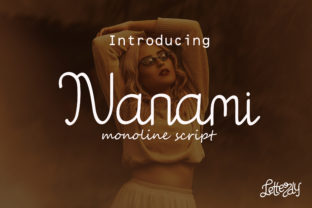
Nanami is a handwritten font designed to evoke the feeling of a hand-drawn note or a handwritten letter. It features soft, flowing lines and subtle variations in stroke weight, giving it a natural, human-like quality. Unlike many digital fonts that prioritize consistency and uniformity, Nanami embraces imperfection, making each character feel unique and alive.
Developed with both aesthetics and functionality in mind, Nanami is ideal for a wide range of applications—from branding and packaging to social media graphics and editorial design. Its versatility makes it a go-to option for designers looking to add personality without sacrificing readability.
Why Nanami Matters in Today’s Design Landscape
The design industry is constantly evolving, and one of the most significant trends in recent years has been the growing appreciation for handcrafted and artisanal elements. Consumers are no longer satisfied with sterile, mass-produced visuals; they seek authenticity, individuality, and emotional resonance in the content they consume.
Nanami aligns perfectly with this shift. As people become more conscious of the stories behind the products and services they use, the visual language of brands must reflect that same level of care and intentionality. A font like Nanami can help bridge the gap between the digital and the human, offering a tactile quality that screens alone cannot replicate.
Trends Driving the Demand for Handwritten Fonts
- Personalization: In a world where everything feels customizable, users want to see themselves reflected in the design choices around them. Handwritten fonts like Nanami offer a sense of individuality that machine-generated typography often lacks.
- Social Media Influence: Platforms like Instagram and Pinterest have made visual storytelling more important than ever. Fonts that feel handcrafted can enhance the emotional impact of content, encouraging engagement and connection.
- Brand Authenticity: Brands are increasingly using typography as a tool to build trust and loyalty. A font that feels genuine can reinforce a brand’s values and create a stronger emotional bond with its audience.
Practical Applications of Nanami
Whether you're a small business owner, a designer, or a content creator, Nanami offers a variety of practical uses that can elevate your work. Here are a few examples:
Branding and Logo Design
Handwritten fonts like Nanami are often used in branding to create a warm, approachable image. For instance, a local bakery might use Nanami in its logo to evoke a sense of community and tradition. The font's friendly appearance can make the brand feel more relatable and trustworthy.
Social Media and Digital Content
With the rise of short-form content and influencer marketing, the need for visually engaging text has never been greater. Nanami can be used in captions, headers, and call-to-action buttons to add a personal touch that stands out in a crowded digital space.
Print and Packaging Design
While digital platforms dominate today’s landscape, print media still holds a special place in the hearts of many consumers. A handwritten font like Nanami can bring a sense of craftsmanship to product packaging, making it more memorable and appealing.
How Nanami Fits Into Broader Trends
As technology continues to advance, the line between digital and physical experiences is blurring. This convergence is driving a renewed interest in design elements that evoke a human touch. Nanami fits into this trend by offering a solution that bridges the gap between the cold, clinical nature of digital interfaces and the warmth of handwritten communication.
Moreover, the increasing focus on sustainability and ethical design is also influencing font choices. Many designers are opting for fonts that are not only aesthetically pleasing but also environmentally responsible. Nanami’s minimalistic design and clean structure make it a sustainable choice for those looking to reduce their digital footprint.
Conclusion: Embracing the Human Touch in Design
Design is more than just visual appeal—it’s about connection, emotion, and meaning. Nanami represents a powerful shift in how we think about typography in the digital age. By embracing the beauty of handwriting, it adds a layer of authenticity that resonates with audiences across industries and platforms.
For professionals, creators, entrepreneurs, and enthusiasts alike, Nanami is not just a font—it’s a tool for building deeper connections, expressing individuality, and standing out in a world that often feels too automated. As design continues to evolve, fonts like Nanami will play an increasingly important role in shaping how we communicate and interact with the world around us.