Alcott Ghalliana: A Modern Handwritten Font with a Unique Touch
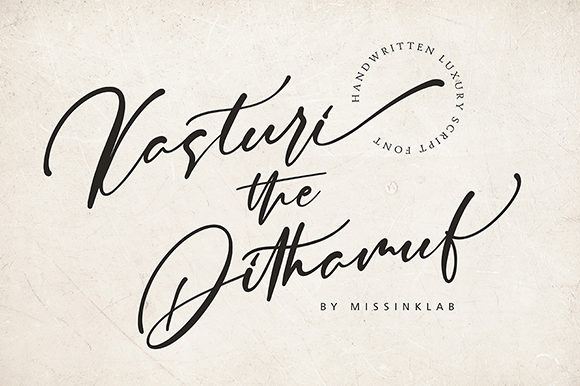
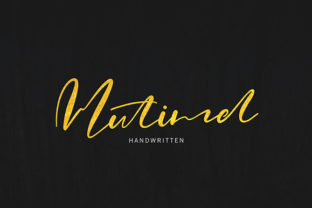
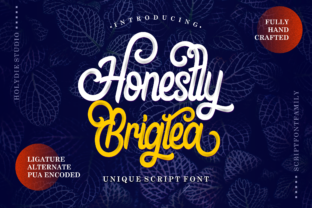
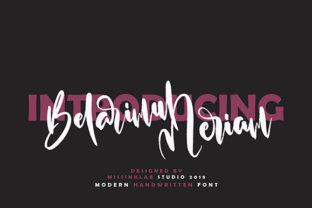
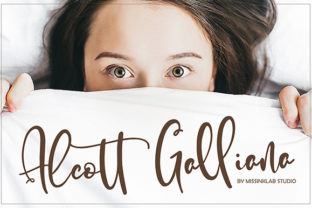
When it comes to typography, the right font can make all the difference. Alcott Ghalliana is a modern and light handwritten font that stands out for its elegant design and incredible swashes. Whether you're designing for personal projects, branding, or digital content, understanding what makes Alcott Ghalliana unique can help you decide if it's the right choice for your needs.
What Makes Alcott Ghalliana Stand Out?
Alcott Ghalliana is designed to blend the warmth of handwritten scripts with the clarity of modern typography. Its light weight gives it a soft, airy feel that's both inviting and professional. The font’s swashes—those decorative flourishes at the ends of letters—are particularly noteworthy. They add a touch of personality without overwhelming the text, making it ideal for creative and expressive designs.
One of the key features of Alcott Ghalliana is its versatility. It works well in both digital and print formats, which is essential for designers who need fonts that perform across multiple platforms. The font's open letterforms allow for easy readability, even when used in larger sizes or as part of a larger typographic composition.
Comparing Alcott Ghalliana with Similar Fonts
While there are many handwritten fonts available, Alcott Ghalliana distinguishes itself through its balance between elegance and simplicity. Compared to more ornate handwritten fonts like Great Vibes or Playfair Display, Alcott Ghalliana is less dramatic and more approachable. This makes it a better fit for everyday use rather than formal or highly stylized projects.
For those looking for something similar but slightly different, Cormorant Garamond offers a refined serif look with a touch of handcrafted charm. However, it lacks the playful swashes that define Alcott Ghalliana. On the other hand, Kalam is a bolder, more expressive script that might be better suited for headlines or eye-catching designs. While Kalam has a strong visual impact, it can sometimes be harder to read in smaller sizes, which is where Alcott Ghalliana excels.
Another consideration is how these fonts perform in different contexts. For instance, if you're working on a website or app interface, readability is crucial. Alcott Ghalliana's clean lines and open spacing make it a good candidate for body text, especially in casual or lifestyle-oriented content. In contrast, fonts like Bitter or Libre Franklin offer greater consistency in digital environments but lack the organic feel of a handwritten style.
Strengths and Tradeoffs of Alcott Ghalliana
The strengths of Alcott Ghalliana lie in its accessibility, aesthetics, and adaptability. Its light weight and elegant curves give it a modern, sophisticated look that appeals to a wide range of audiences. The swashes add visual interest without sacrificing legibility, making it suitable for both short phrases and longer passages.
However, like any font, Alcott Ghalliana has its tradeoffs. One potential limitation is that its handwritten nature may not be appropriate for all contexts. For example, in formal documents, legal contracts, or academic papers, a more traditional serif or sans-serif font might be preferred. Additionally, while the font is designed for readability, it may not be as effective for very small text sizes, especially in digital formats.
Another factor to consider is the font's character set. Alcott Ghalliana includes a comprehensive range of characters, including accents and special symbols, which is beneficial for multilingual projects. However, it does not support certain ligatures or alternate forms that some more complex fonts do, which could be a drawback for designers requiring advanced typographic features.
Best-Fit Situations for Alcott Ghalliana
Alcott Ghalliana is an excellent choice for a variety of applications, depending on the context and purpose. It shines in creative and expressive projects such as invitations, greeting cards, social media posts, and branding materials. Its soft, flowing lines make it ideal for logos, taglines, and promotional content that needs to feel personal and engaging.
In digital environments, Alcott Ghalliana works well for websites, blogs, and online portfolios that aim to convey a friendly and approachable tone. It pairs nicely with minimalist layouts and clean design principles, enhancing the overall aesthetic without overpowering the content.
For print materials, the font is suitable for brochures, flyers, and magazines that want to maintain a modern yet artistic feel. Its ability to transition smoothly between digital and print formats makes it a versatile option for designers who work across multiple mediums.
When to Consider Alternatives
While Alcott Ghalliana is a fantastic choice in many scenarios, there are situations where alternative fonts may be more appropriate. For instance, if you're working on a project that requires a more structured or formal appearance, a serif font like Times New Roman or Garamond could be a better fit. These fonts offer a classic, authoritative look that contrasts with the more casual nature of Alcott Ghalliana.
If you're aiming for a bolder, more dynamic effect, fonts like Kalam or Raleway might provide the necessary visual impact. These fonts are often used in headlines, titles, and call-to-action buttons where attention-grabbing is key. However, they may not be as suitable for long-form content due to their stronger stylistic presence.
Additionally, if your project involves a large amount of technical or scientific writing, a sans-serif font like Helvetica or Roboto would likely be more readable and efficient. These fonts prioritize clarity and consistency, making them ideal for reports, documentation, and data-driven content.
Realistic Examples and Practical Comparisons
To better understand when Alcott Ghalliana is the best choice, let's consider a few realistic examples. Imagine you're designing a wedding invitation. You want the text to feel personal and elegant, yet still readable. Alcott Ghalliana would be an excellent option because its swashes add a touch of romance and individuality, while its clean structure ensures the message is clear and legible.
On the other hand, if you're creating a business card for a tech startup, you might opt for a more professional and modern font like Montserrat or Inter. These fonts convey reliability and innovation, which aligns with the brand's image. However, if the startup wants to emphasize creativity and a human touch, Alcott Ghalliana could still be a viable choice, especially for the company name or tagline.
Another scenario could involve a blog post about travel or lifestyle topics. Using Alcott Ghalliana for the title and subheadings can create a warm, inviting atmosphere that encourages readers to engage with the content. Meanwhile, a sans-serif font like Open Sans would be ideal for the body text, ensuring readability and professionalism throughout the article.
Making an Informed Decision
Ultimately, the decision to use Alcott Ghalliana depends on the specific requirements of your project. It's important to evaluate factors such as the intended audience, the medium of use, and the overall design goals. If you're looking for a font that combines elegance with practicality, Alcott Ghalliana is a strong contender. However, it's always wise to explore alternatives and test different options to find the one that best suits your needs.
By considering the strengths, limitations, and best-fit situations of Alcott Ghalliana, you can make a more informed decision that aligns with your creative vision and functional requirements. Typography is an art form, and choosing the right font can significantly enhance the impact of your work.